

The latest collaboration between Swatch and Audemars Piguet, set to release Saturday, May 16, has reignited a familiar debate in the watch world. Every time Swatch partners with a legacy luxury brand, the same question comes up: are these collaborations a smart way to introduce new collectors to watchmaking, or do they risk diluting the heritage and exclusivity that made these brands desirable in the first place? This time, the conversation feels even bigger.
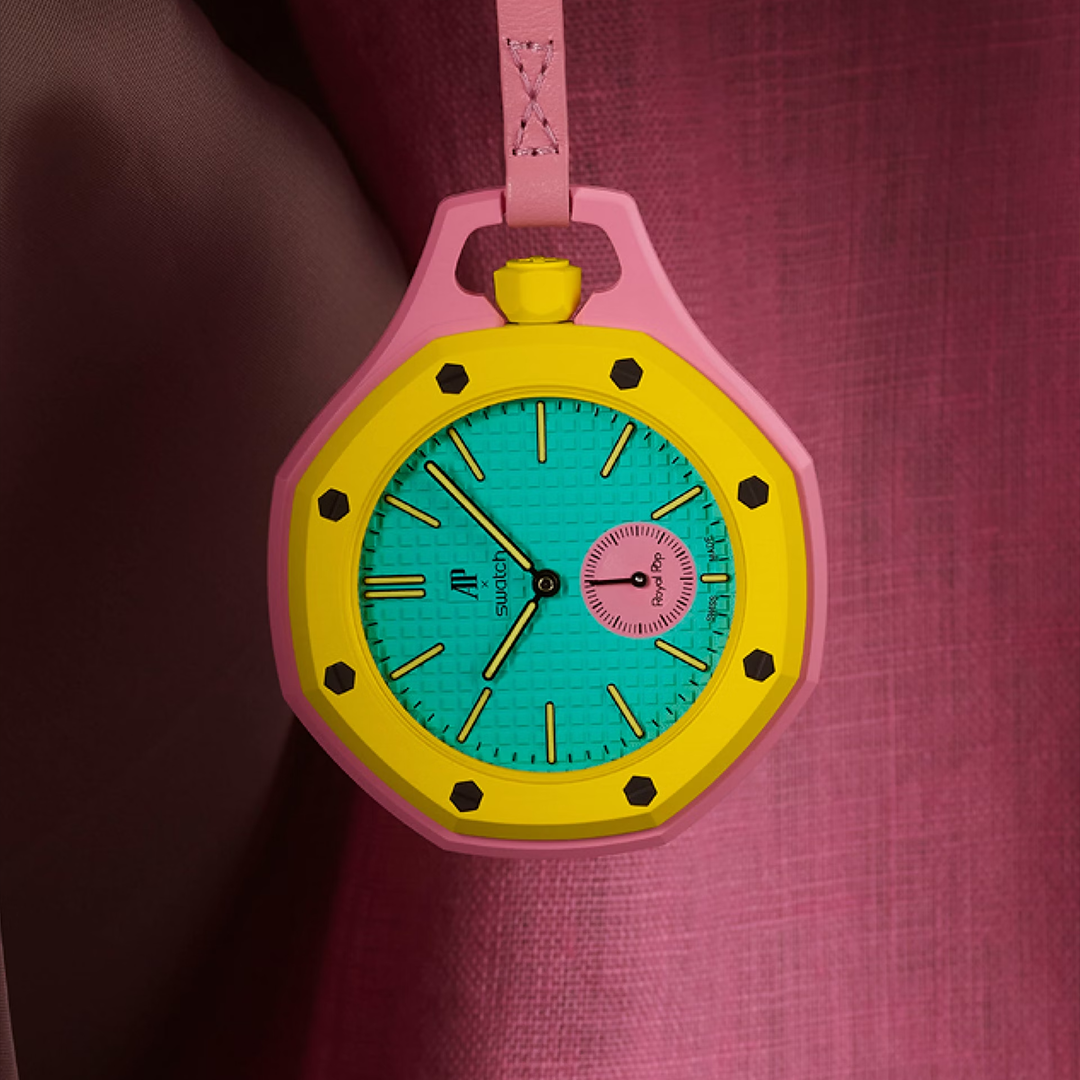
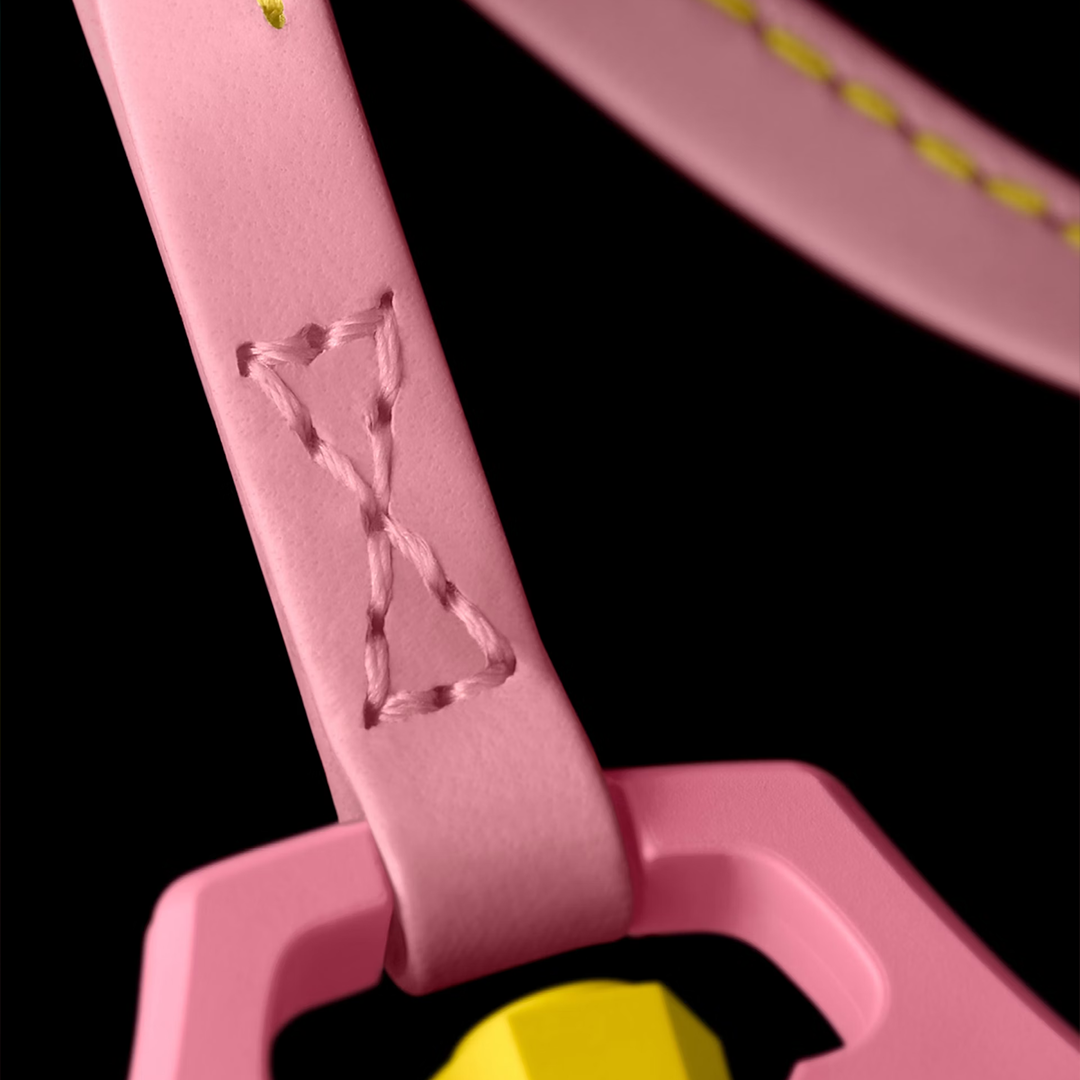
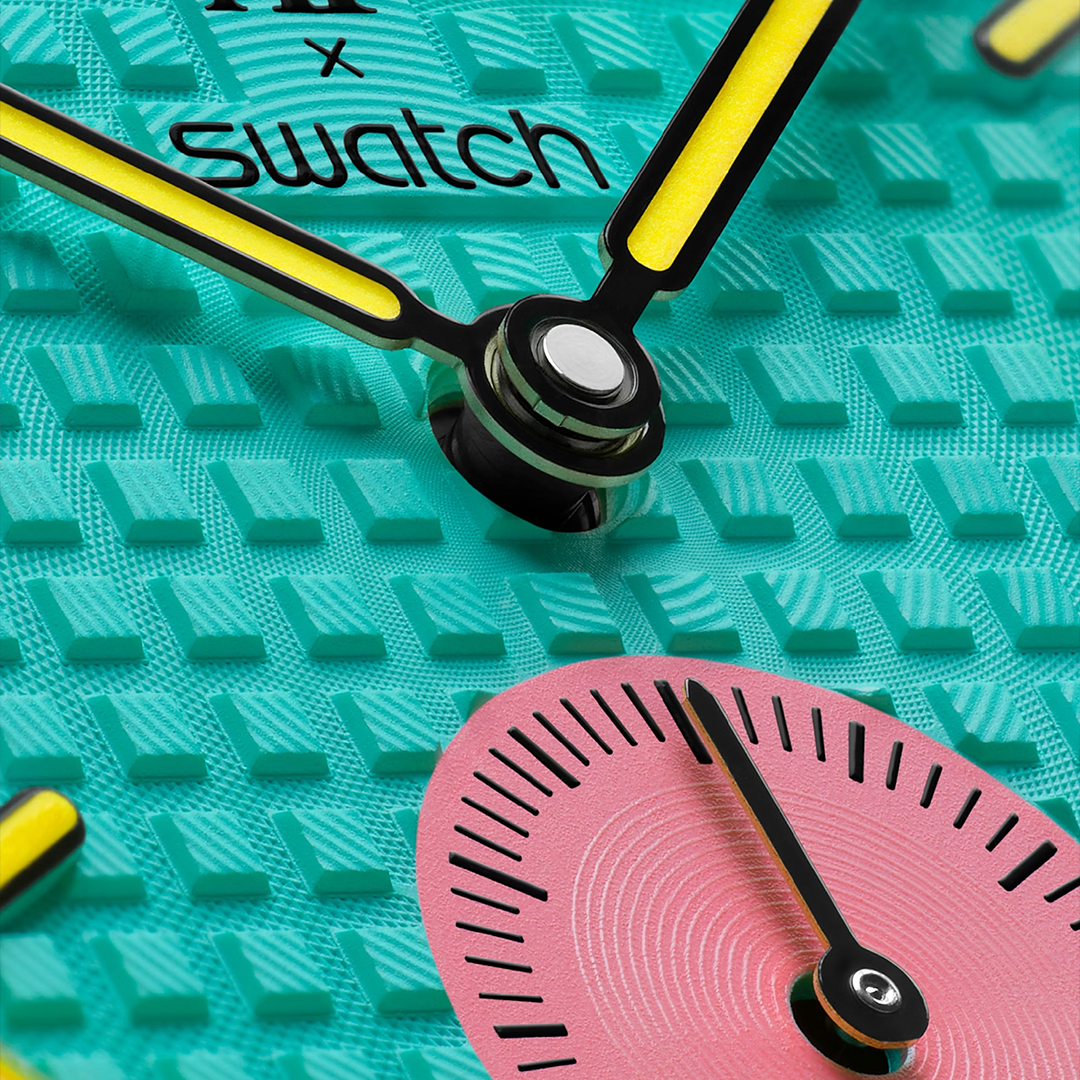
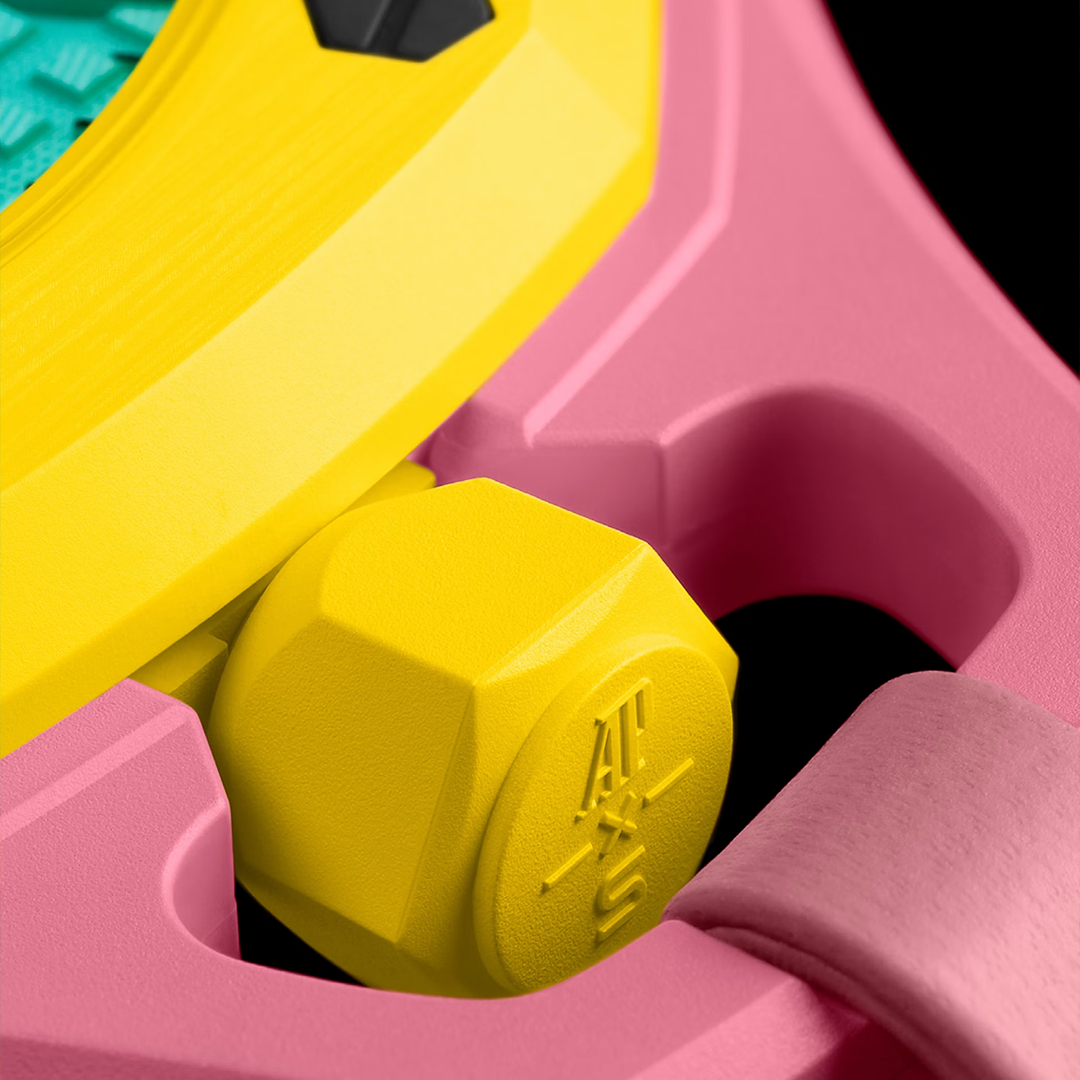
The newly announced Royal Pop takes design ispiration from Audemars Piguet’s iconic Royal Oak while reimagining it as a colorful pocket-watch accessory rather than a traditional wristwatch. It’s an unexpected move, combining the octagonal design language of one of watchmaking’s most recognizable sports watches with Swatch’s playful, experimental design philosophy. Swatch and Audemars Piguet also did not frame this as a direct reinterpretation of the Royal Oak or a traditional product crossover. Instead, the project leans into a more experimental format: a pocket-watch-style object built around Swatch’s SISTEM51 platform, designed more as a design exercise than a conventional wristwatch release.
Some collectors see collaborations like this as a step too far. The concern is understandable. Watches like the Royal Oak, Omega Speedmaster, and Blancpain Fifty Fathoms carry decades of history, technical development, and cultural significance. When those design codes are translated into colorful, far more accessible products, some argue that it risks reducing icons into novelty pieces. But the other side of the argument is hard to ignore.
Audemars Piguet has also stated that proceeds from the collaboration are being directed toward initiatives that support watchmaking education and the preservation of horological know-how. That shifts the project beyond a simple marketing exercise and ties it back to the broader health of the industry itself. The MoonSwatch already demonstrated how powerful these collaborations can be. It introduced an entirely new audience to watch collecting, creating a gateway effect into broader interest in mechanical watches. More importantly, it did not meaningfully reduce long-term interest in the original Speedmaster. If anything, it arguably reinforced Omega’s positioning by pushing the Speedmaster further into mainstream cultural conversation. That may be the strongest case for collaborations like this.
Luxury watchmaking has always depended on storytelling, aspiration, and cultural relevance. The challenge for legacy brands is staying visible to newer generations without compromising the craftsmanship and identity that define them. Collaborations with Swatch offer a way to participate in broader culture while keeping the flagship products untouched.
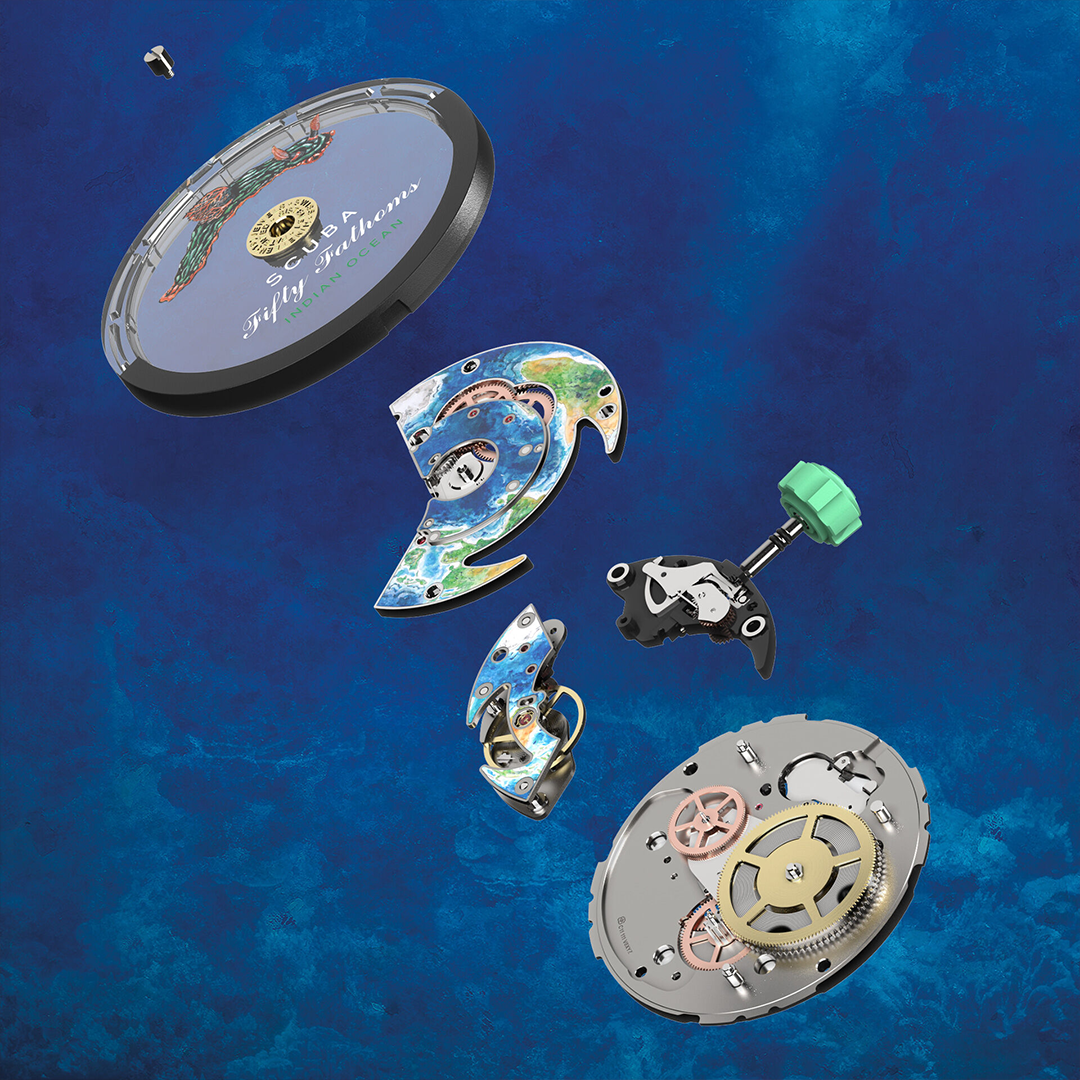
The Royal Pop doesn’t really function as a replacement for anything in Audemars Piguet’s core collection, nor does it attempt to compete with traditional interpretations of the Royal Oak. It’s a way of translating a familiar design language into something more accessible and playful, while still tying back to the broader story of watchmaking. Whether collaborations like this ultimately strengthen or dilute luxury watch culture is still open for debate. What’s clearer is that they are no longer just novelty releases. They’re becoming part of how legacy brands communicate beyond their traditional audience.
The real question isn’t whether these projects belong in luxury watchmaking, but how far brands can push them without losing the identity that defines their core collections.
Join The Party

COPYRIGHT © 2026 BAILEY'S FINE JEWELRY. ALL RIGHTS RESERVED. PRIVACY POLICY
