

Rolex’s professional lineup is best known for watches designed to solve clear, physical challenges. Dive watches address the demands of deep water, pilot watches prioritize legibility and reliability in the air, and exploration-focused models are built for extreme conditions on land. The Milgauss belongs in that same conversation, even if it is often overlooked. Rather than water pressure or altitude, it was created to function reliably in environments dominated by strong magnetic fields. The Rolex Milgauss Ref. 116400GV represents Rolex’s solution to a problem rooted in science and industry, placing it firmly among the brand’s purpose-built tools, even if its mission is less immediately visible.
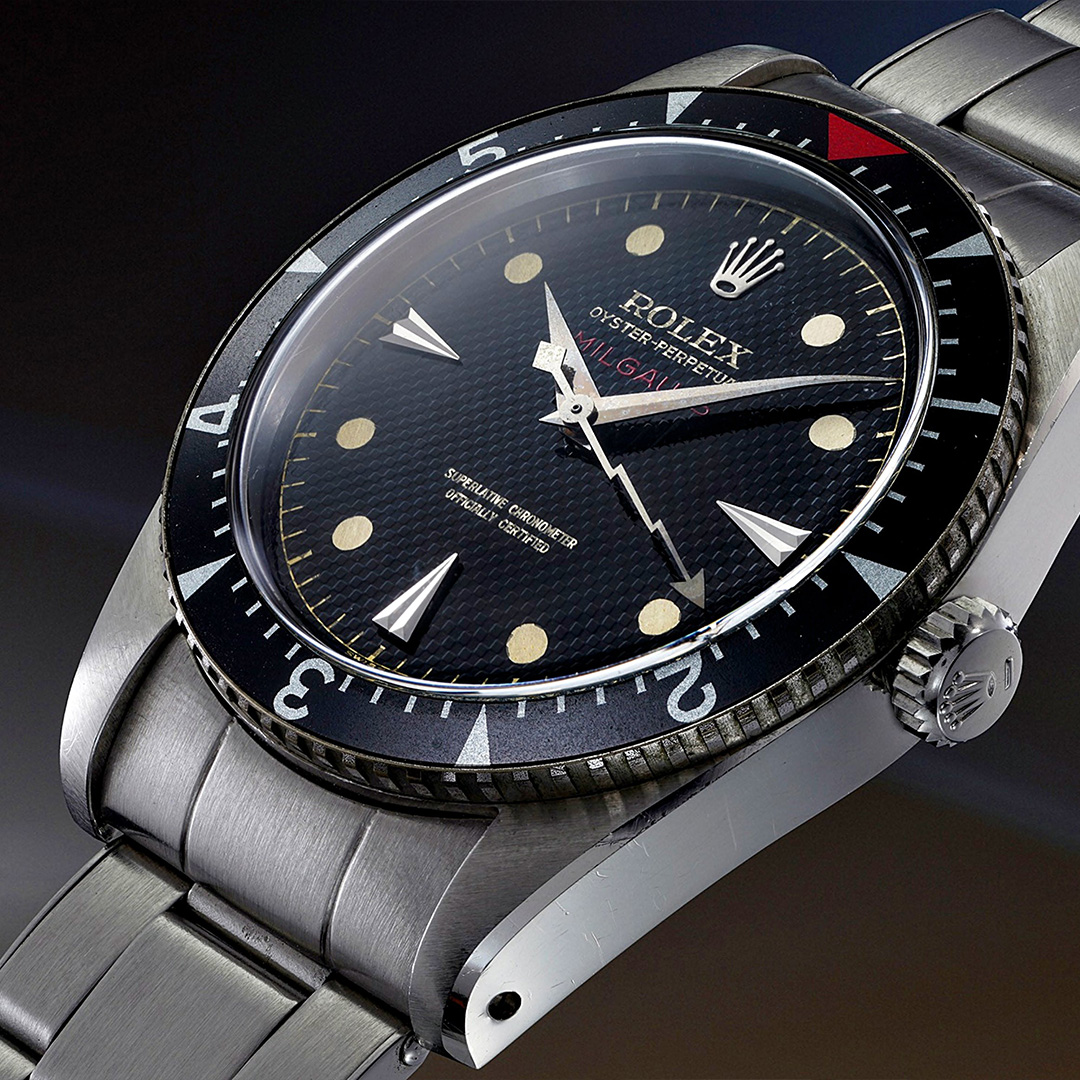
The Milgauss was first introduced in the mid-1950s, a period when scientific research and industrial development were accelerating rapidly. Mechanical watches were particularly vulnerable to magnetic fields, which could cause movements to run inaccurately or stop altogether. Rolex addressed this problem by developing a watch capable of resisting strong magnetic interference, ultimately naming it the Milgauss to reflect its resistance to fields up to 1,000 gauss. While originally intended for scientists, engineers, and technicians, the Milgauss also demonstrated Rolex’s broader interest in solving real-world technical challenges through watchmaking.
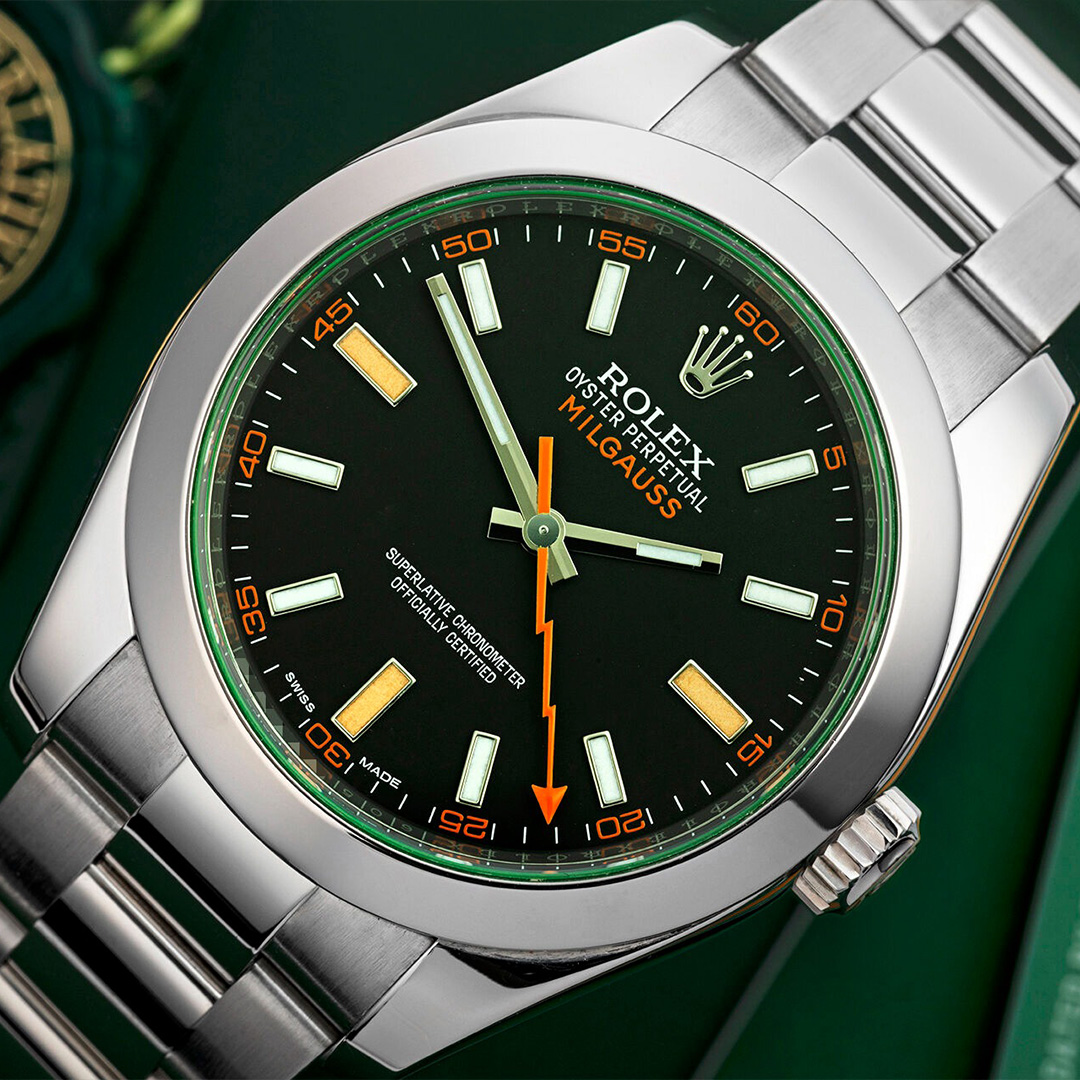
When Rolex revived the Milgauss in the modern era, the 116400GV quickly became the defining reference of that return. The “GV” designation refers to its green sapphire crystal, a feature unique within Rolex’s lineup. Unlike a surface coating, the green tint is integral to the crystal itself, giving the watch a subtle but unmistakable visual signature.
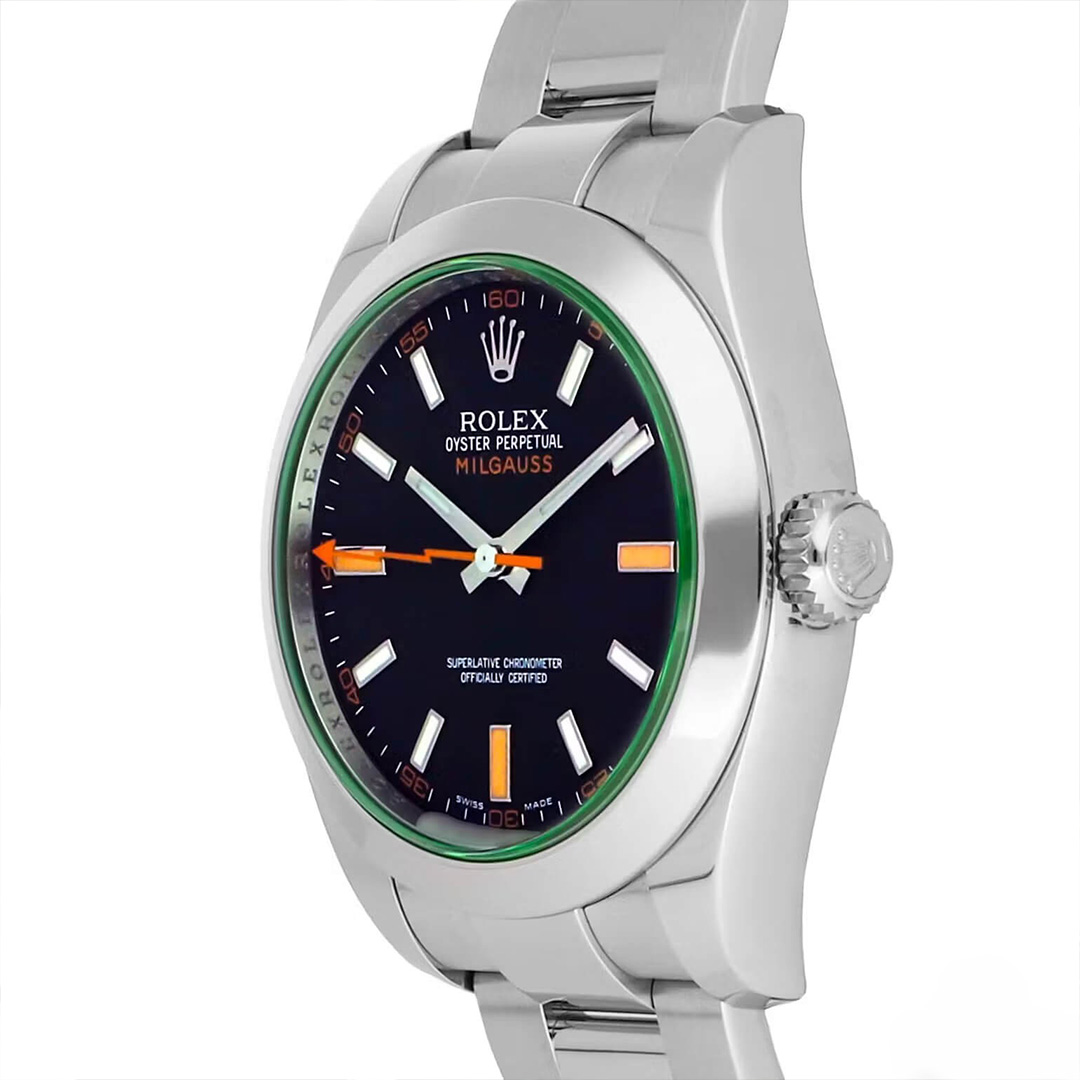
The dial design reinforces that identity. Large luminous hour markers and clear hands prioritize legibility. The lightning bolt seconds hand, an unmistakable reference to electricity and magnetism, connects the watch directly to the Milgauss’s scientific origins. Accents of color add contrast without overwhelming the layout, creating a dial that feels purposeful rather than decorative. The 40 mm Oystersteel case, paired with a smooth bezel, keeps the overall profile clean and balanced. It avoids the visual bulk often associated with tool watches, making the Milgauss more versatile than its technical origins might suggest.
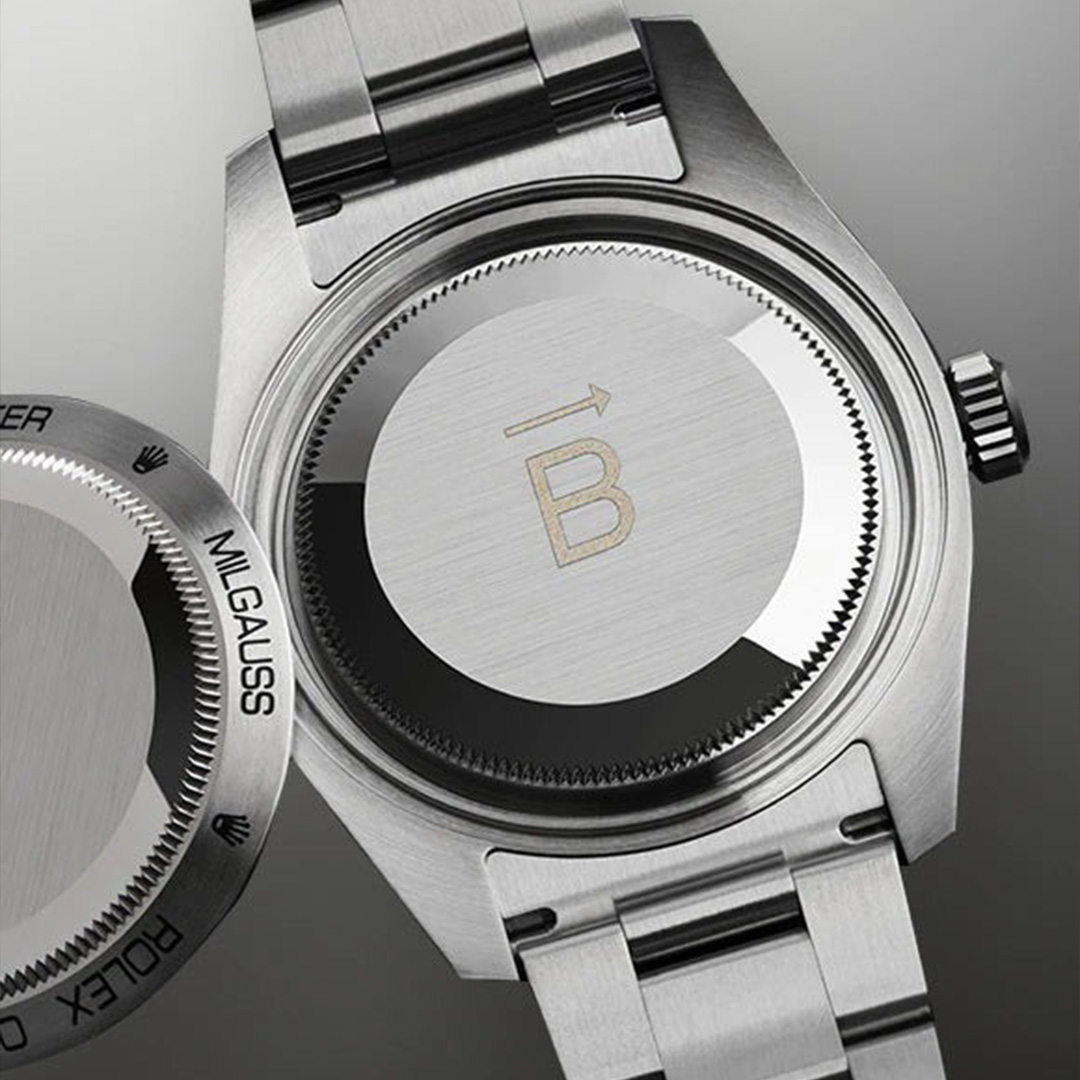
Inside the case, Rolex continued to focus on antimagnetic performance. The automatic movement is protected by a soft iron inner case that acts as a Faraday cage, shielding it from magnetic fields encountered in everyday and professional environments. Additional antimagnetic components within the movement further enhance resistance and long-term reliability. While modern life exposes most people to fewer extreme magnetic fields than laboratory work once did, these protections still offer practical benefits in a world filled with electronic devices.
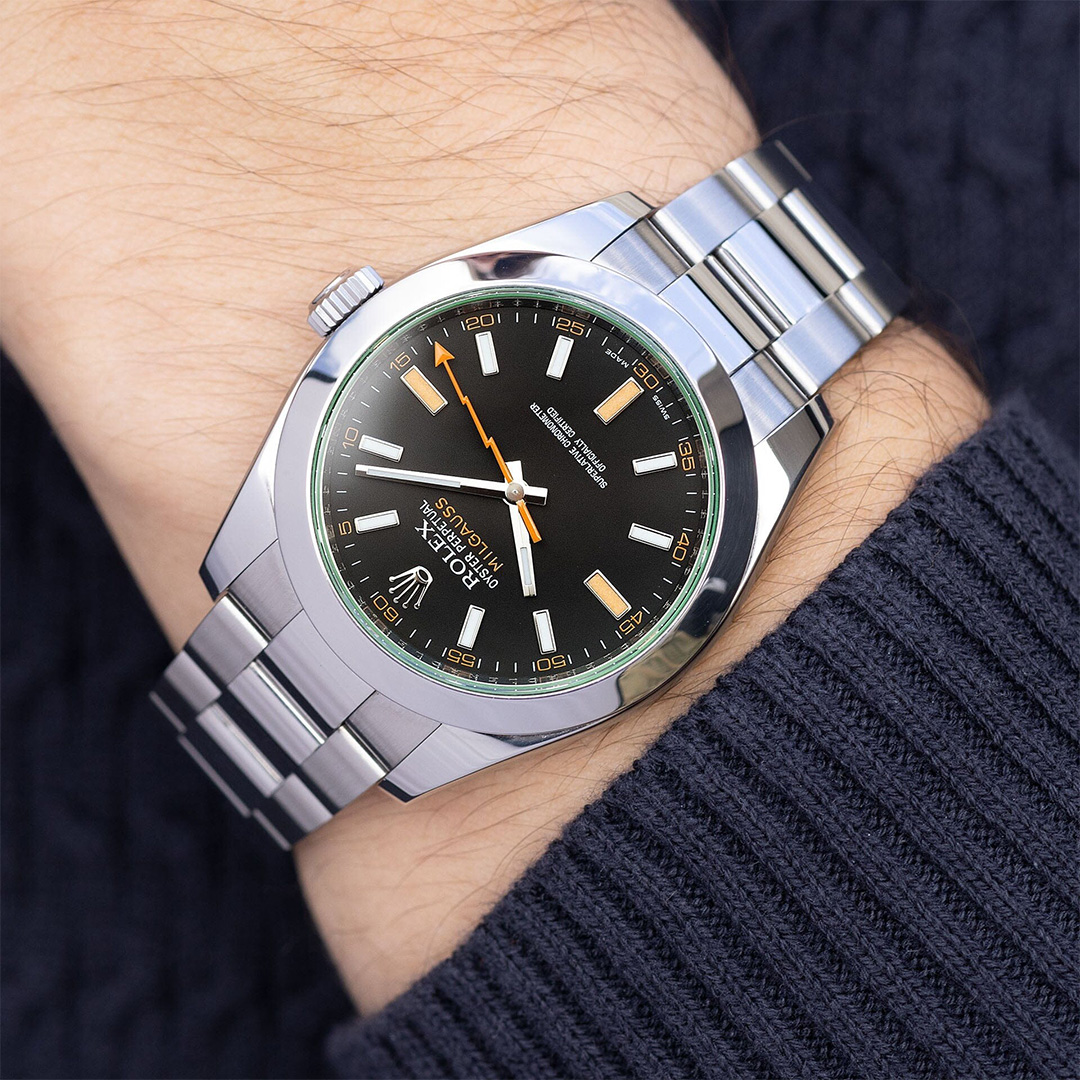
From a wearability standpoint, the Milgauss 116400GV functions comfortably as an everyday watch. The Oyster bracelet provides durability and a secure fit, while the case dimensions remain approachable for a wide range of wrists. Water resistance and robust construction ensure it can handle daily use without hesitation. Despite its scientific origins, the watch does not feel specialized or limiting, instead offering a balanced combination of character and practicality.
The Milgauss represents Rolex’s quieter side of tool watch design. In a lineup dominated by watches made for air, land, and sea, the Milgauss occupies a less obvious space, but an equally purposeful one. That understated utility, paired with its unconventional design choices, is what makes it one of Rolex’s most overlooked professional models.
Join The Party

COPYRIGHT © 2026 BAILEY'S FINE JEWELRY. ALL RIGHTS RESERVED. PRIVACY POLICY
