

When a watch only shows the time with two hands, it usually suggests simplicity. No seconds hand, no complication, nothing extra. Traditionally, that kind of watch is about design and restraint rather than technical performance. That’s what makes the Omega Constellation Observatory feel a little unexpected.
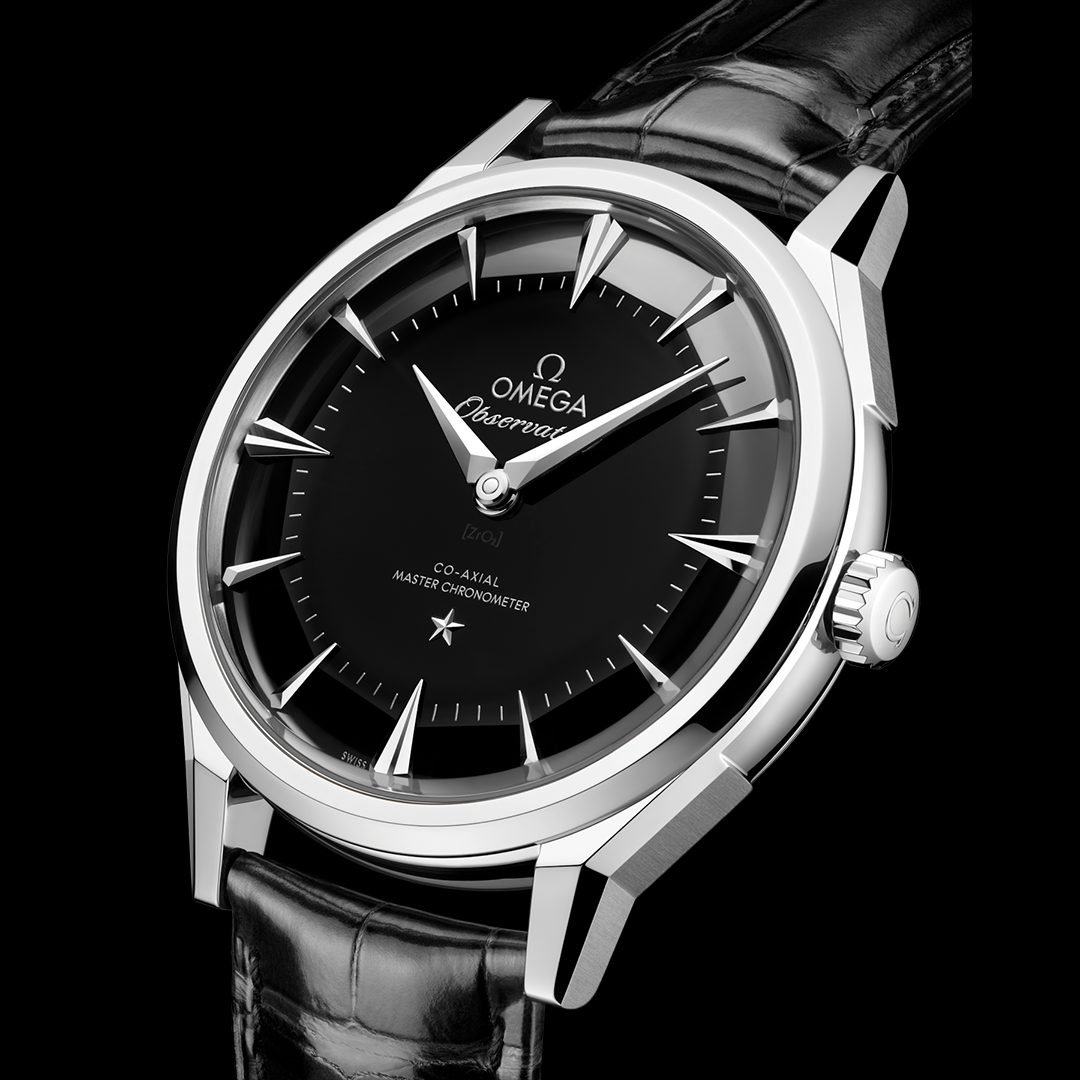
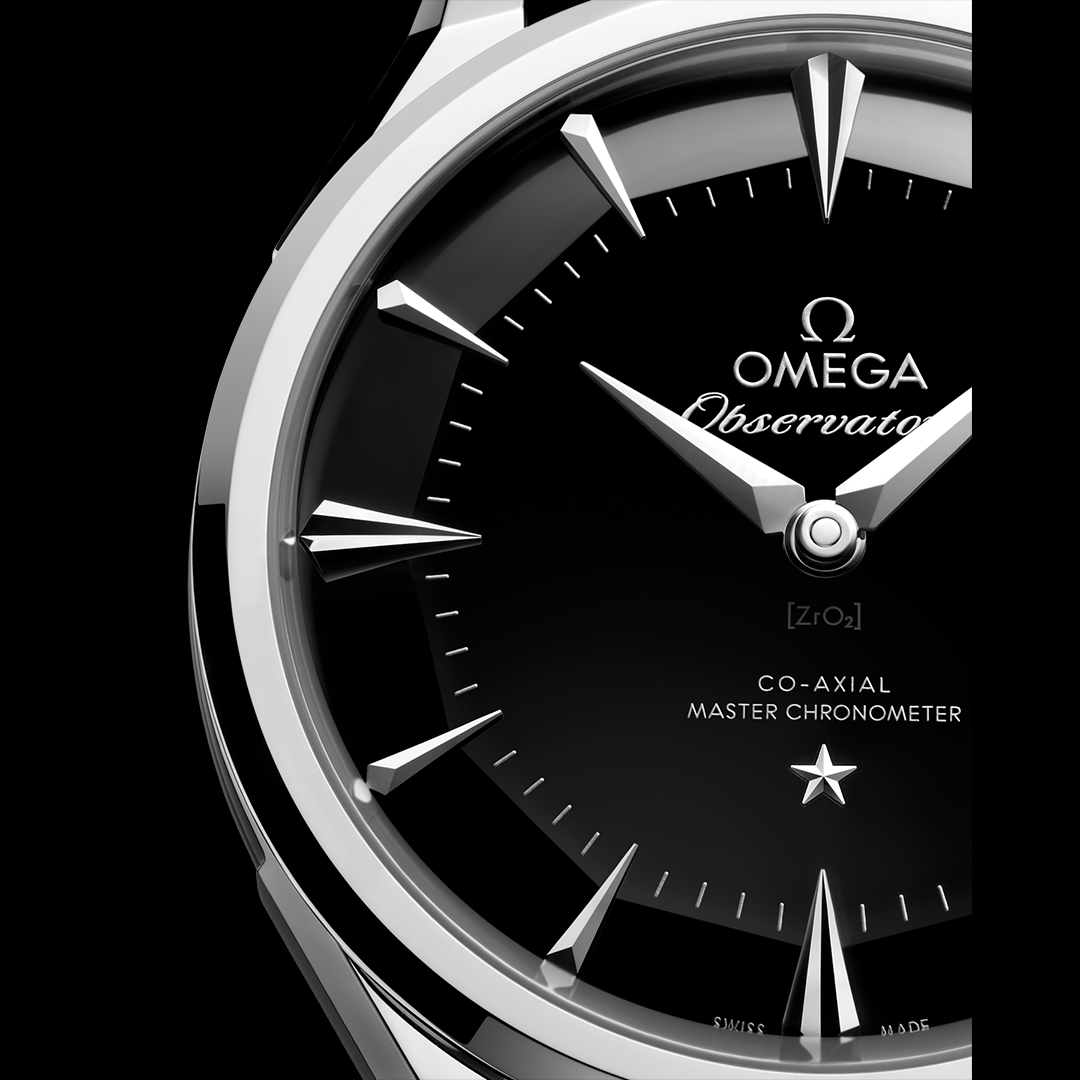
At a glance, it reads like a classic dress watch. The case measures just under 40 mm, with proportions that lean toward vintage Omega design. The dial pulls directly from the brand’s past, featuring the recognizable pie-pan shape, a star at six o’clock, and clean, faceted hour markers. The “dog-leg” lugs are back as well, reinforcing the connection to mid-century Constellation models. It’s a design language that’s been around for decades, and here it’s been refined rather than reinvented. But the real story isn’t on the dial. It’s in how this watch is tested.
The Constellation has always been tied to precision. When Omega introduced the collection in 1952, it was positioned as the brand’s flagship, built around chronometer-certified accuracy. The observatory medallion on the caseback referenced actual timing competitions where Omega set records. This new Observatory collection builds directly on that history, but in a way that’s genuinely new. For the first time, Omega has created a two-hand watch that qualifies as a Master Chronometer. That might not sound unusual at first, but traditionally, certification at this level requires a seconds hand to measure performance. Without it, there’s no easy way to track accuracy.
Omega solved that by developing a new acoustic testing method through its Laboratoire de Précision. Instead of visually tracking a seconds hand, the system “listens” to the movement, measuring timing performance through sound while accounting for environmental factors like temperature and position. The result is something that hasn’t really existed before: a minimalist, two-hand watch that still meets the highest modern standards of precision.
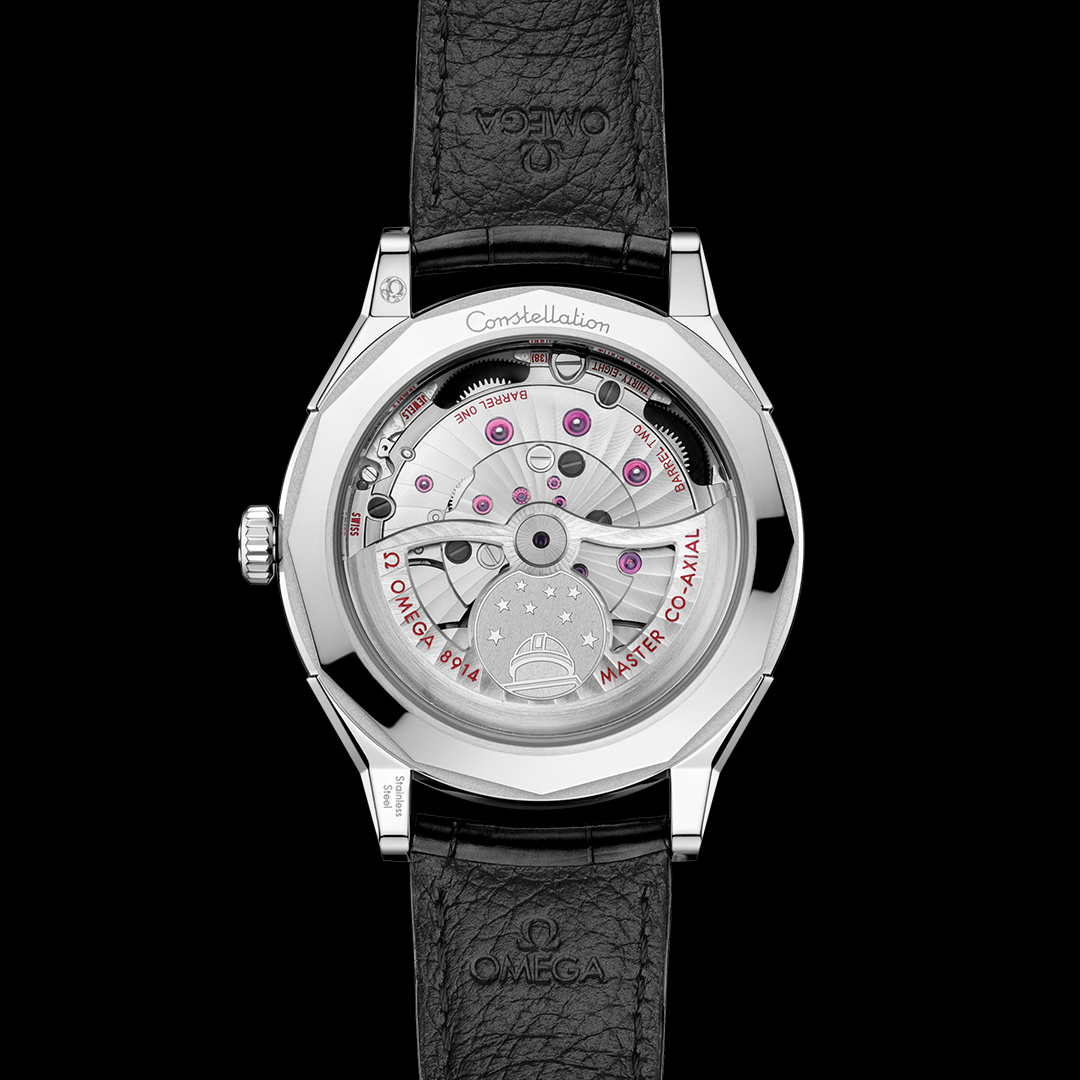
Inside are new calibers (8914 and 8915), both automatic and Co-Axial, maintaining Omega’s usual focus on durability and long-term performance. Through the caseback, you still get a view of the movement, tying the technical side of the watch back into the overall experience. What makes this watch interesting is how that technology is applied. Instead of adding more complications or visual complexity, Omega went the opposite direction. They removed the seconds hand and kept the dial clean, then pushed the engineering further behind the scenes. It’s a different way of thinking about watchmaking: less about what you see, more about how it works.
Where this watch fits is also worth noting. It’s clearly a dress watch, but it doesn’t rely on traditional cues like ultra-thin cases or decorative finishing alone. Instead, it brings a level of technical performance that usually lives in sport or tool watches into a more refined format.The Constellation Observatory ends up sitting in an interesting place. It looks familiar, almost simple at first glance, but the deeper you go, the more it separates itself. Not by adding more, but by doing something different with less.
Join The Party

COPYRIGHT © 2026 BAILEY'S FINE JEWELRY. ALL RIGHTS RESERVED. PRIVACY POLICY
