

For a lot of collectors, vintage Seiko means dive watches, chronographs, or early mechanical references. But in the 1980s, Seiko was also experimenting heavily with digital watch design, producing watches that looked and operated unlike almost anything else at the time. The brand’s newest release revisits one of those ideas with a modern recreation inspired by the 1982 “Rotocall.”
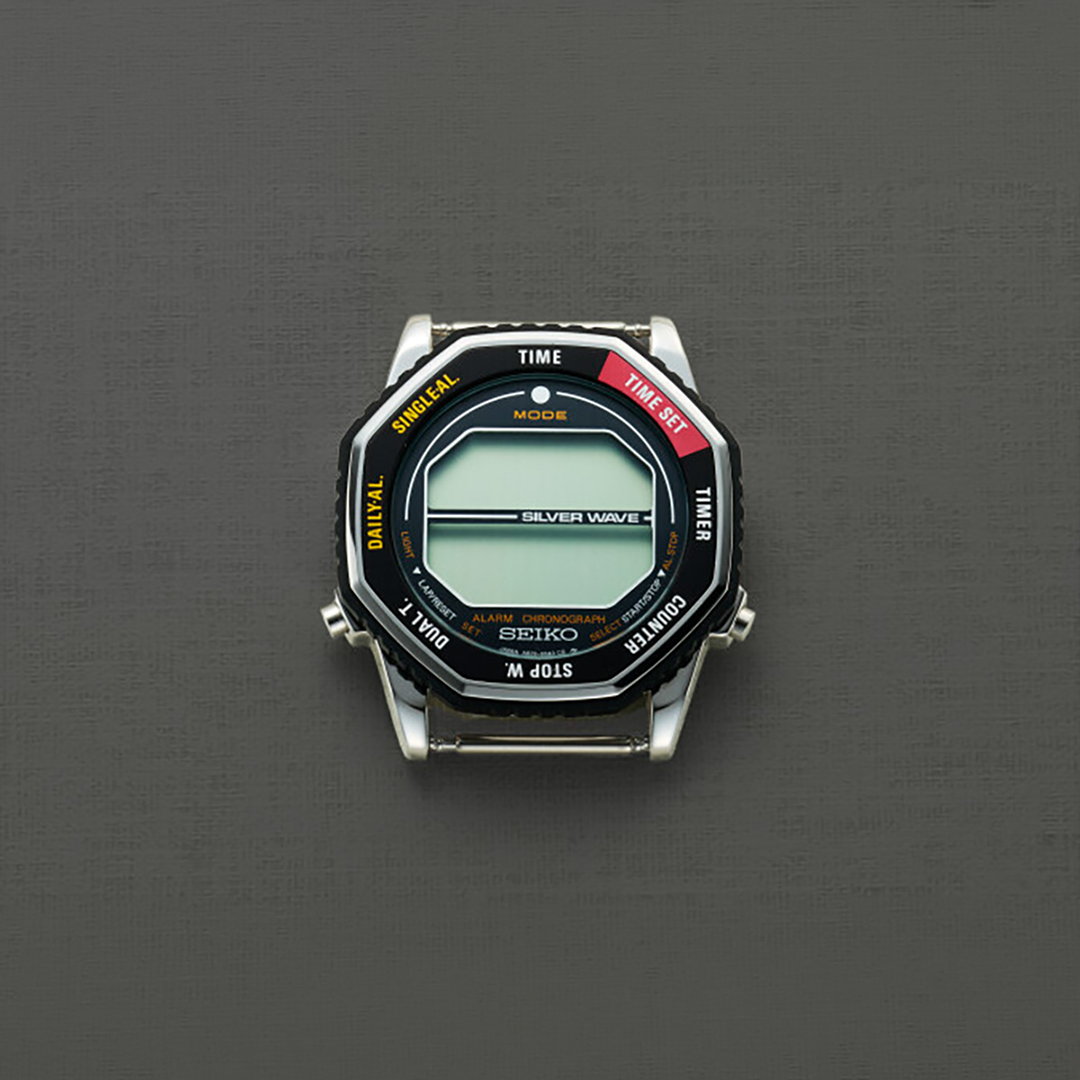
At first glance, the new watch immediately feels different from most modern digital watches. The octagonal case, integrated bracelet design, and compact proportions give it a distinctly retro look, but the real standout feature is the rotating bezel. Instead of serving as a timing scale or decorative element, the bezel acts as a rotary switch used to cycle through the watch’s different functions.
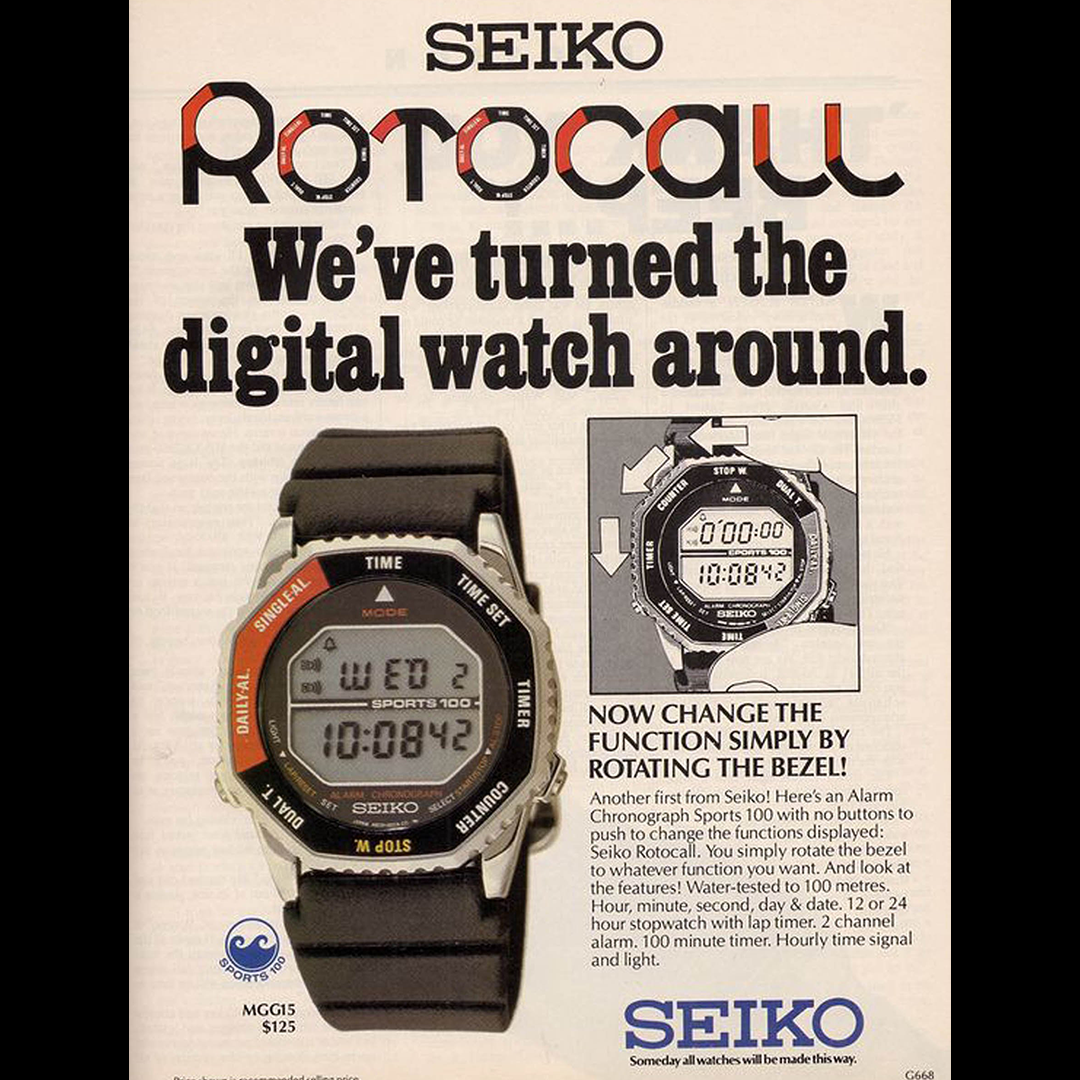
That interaction is what made the original Rotocall memorable in the first place. Released during a period when digital watches were rapidly evolving, the design reflected how experimental the category had become. Brands weren’t just trying to make digital watches smaller or more accurate. They were rethinking how people physically interacted with them. The rotating bezel gave the watch a tactile quality that most digital pieces lacked, making it feel more mechanical and engaging despite being fully quartz-powered.
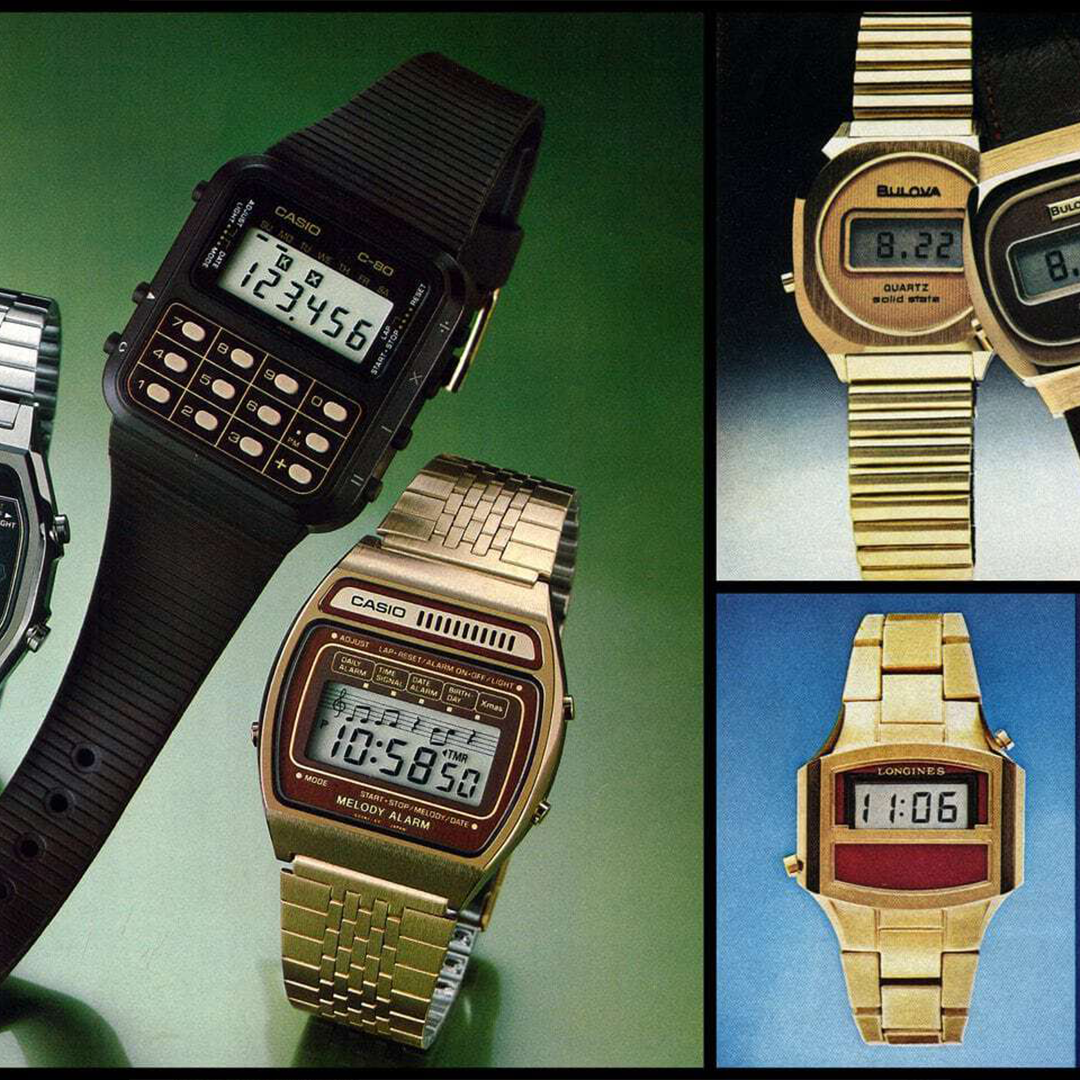
That period of watchmaking is interesting to look back on now because digital watches once represented the future in the same way smartwatches do today. During the late 1970s and early 1980s, brands like Seiko were pushing digital technology aggressively, introducing alarm functions, chronographs, dual time displays, calculators, and new interface ideas at a pace that felt genuinely futuristic. Many of those watches embraced bold shapes and unconventional layouts because the industry was still figuring out what digital watch design could become.
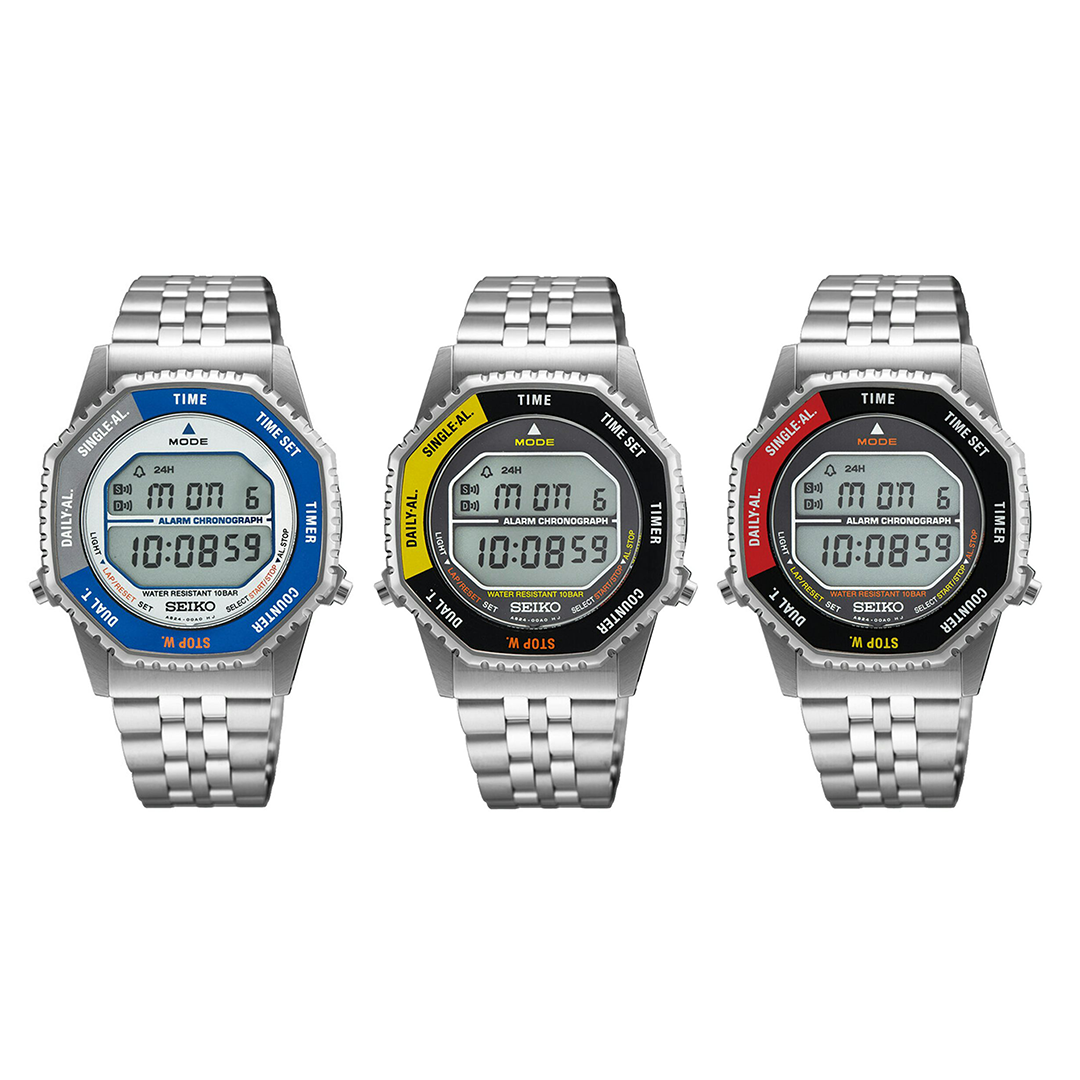
The new models stay remarkably close to that original formula. The stainless steel case measures 37 mm across with a thickness of just over 10 mm, helping preserve the compact proportions that defined many watches from the era. The bracelet design also leans heavily into the 1980s aesthetic, pairing sharp lines and brushed surfaces with the angular case shape. Even the display layout feels intentionally period-correct, avoiding the oversized, ultra-modern look common in many contemporary digital watches. Functionally, the watch offers much more than its vintage inspiration did. Powered by Seiko’s A824 quartz caliber, it includes a chronograph capable of measuring up to 100 hours in 1/100th second increments, along with dual time, alarm, and battery warning functions. Even with the retro styling, the watch still feels practical for modern wear.
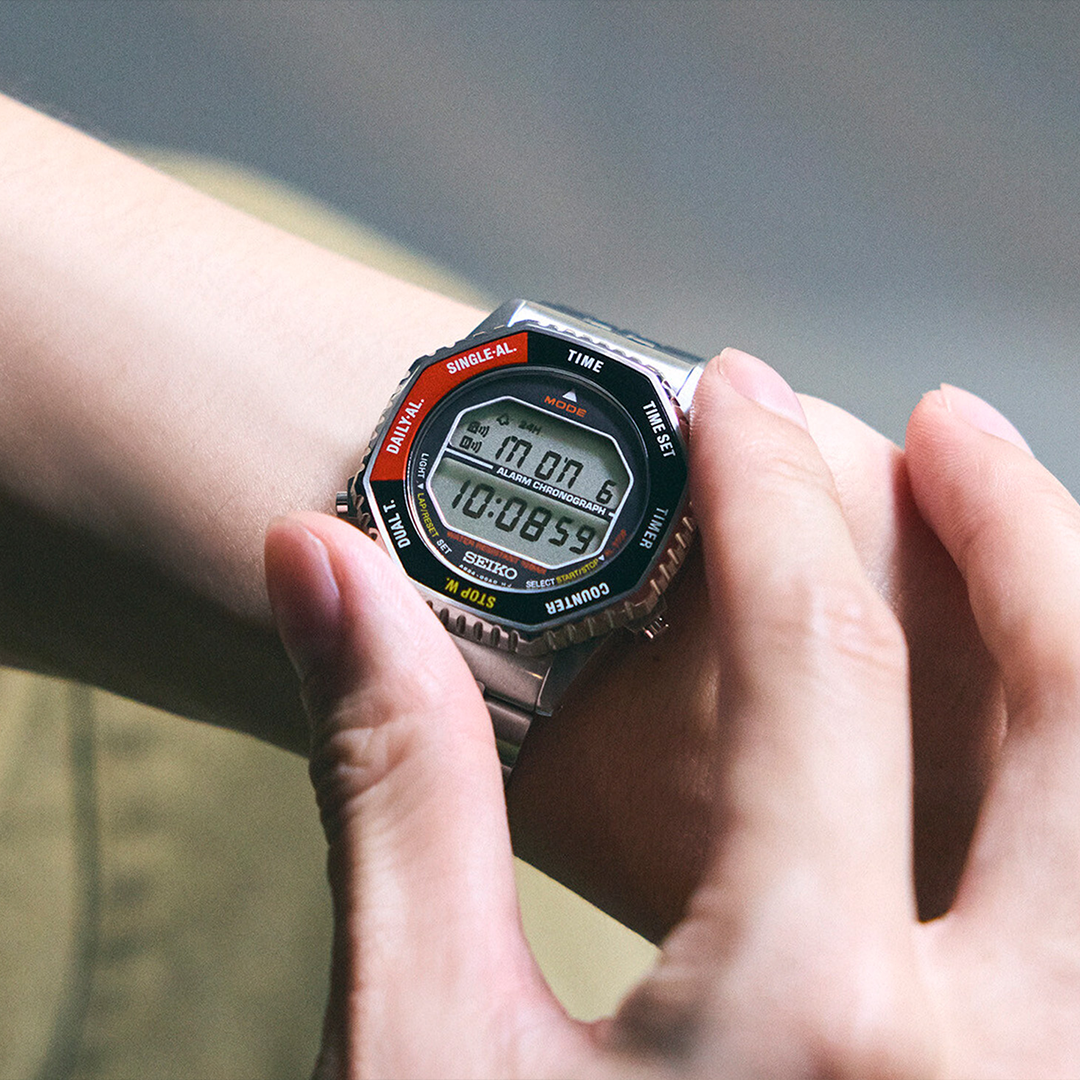
Another interesting detail surrounding the original Rotocall is its association with astronauts, which helped give the watch international recognition during the early quartz era. That connection reinforces how forward-looking Seiko’s digital designs once felt. These weren’t novelty watches at the time, they represented serious technological progress. Part of what makes this release work today is that Seiko resisted the temptation to over-modernize it. The appeal comes from how specific the design feels to its era. The case shape, display layout, and rotating bezel interaction all reflect a moment when digital watches were evolving rapidly, and brands were willing to experiment with unusual ideas.
For collectors who already own traditional mechanical Seikos, this release offers something completely different. It’s less about movement finishing or heritage craftsmanship and more about design history, specifically a period when Seiko helped shape what people believed the future of watches would look like.
Join The Party

COPYRIGHT © 2026 BAILEY'S FINE JEWELRY. ALL RIGHTS RESERVED. PRIVACY POLICY
